
Tin Celluose Paint Rfu/Neat Range Rover Nolita Grey Spray 1Ct, Jlrc2344 Loj
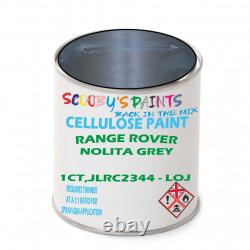

Tinned Cellulose Paint - Range Rover Nolita Grey (1CT, JLRC2344 - LOJ). Options: Ready For Use (Thinned) or Neat (Unthinned). Sizes: 250ml, 500ml, 1 Litre, 2.5 Litres. Colour: Range Rover Nolita Grey.
Paint code: 1CT, JLRC2344 - LOJ. Type: Cellulose (traditional "classic" solvent-based finish).
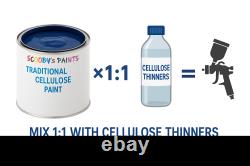
Finish notes: Cellulose dries to a gloss depending on prep & gun setup and can be cut/polished once cured. Ready For Use (RFU / Thinned): Supplied pre-thinned for spray gun use (ideal if you want a straightforward mix and consistent flow).Neat (Unthinned): Supplied unthinned so you can thin to suit your gun setup, temperature, and technique. No lacquer is required for cellulose in the way it is for basecoat systems.
Cellulose is a direct-gloss style finish and is commonly left as-is once fully cured. For best appearance and durability, it can be cut and polished after curing to increase gloss and remove minor texture/dust nibs.
Some users choose to clear over certain finishes for extra chemical resistance, but it's optional rather than a requirement. Best spraying conditions (UK-friendly guidance). Temperature: Aim for 15-25°C (avoid very cold panels and avoid spraying in strong heat/direct sun). Very high humidity can cause blooming/hazing in cellulose. Wind/Dust: Still air and a clean area give the best finish. Panel temperature: Let panels warm up to room temp before painting (cold metal = condensation risk).Tip: If it's damp/cold outside, paint indoors where possible and allow extra flash-off time between coats. Preparation: Clean thoroughly (degrease), then key the surface. Good prep = good finish. Prime as required: Bare metal and repairs should be correctly primed/undercoated before topcoat.
Test spray: Always do a test piece/card to confirm gun setup and colour before the job. Coats: Apply light-to-medium coats with suitable flash-off between coats. Cure: Allow to harden fully, then compound/polish if a higher gloss is desired. Note: Spray technique, nozzle/needle size, air pressure, and reducer choice affect gloss and laydown. If you choose Neat, thin to suit your setup and conditions.For critical jobs, apply a test spray and compare in daylight. Classic paint system: Cellulose is a traditional system used widely on classic vehicles and restorations. Safety: Use suitable PPE (respirator rated for organic vapours, gloves, eye protection) and good ventilation.
Need help choosing RFU vs Neat? Message us with your setup (gun type/nozzle size and where you're spraying) and we'll point you in the right direction.